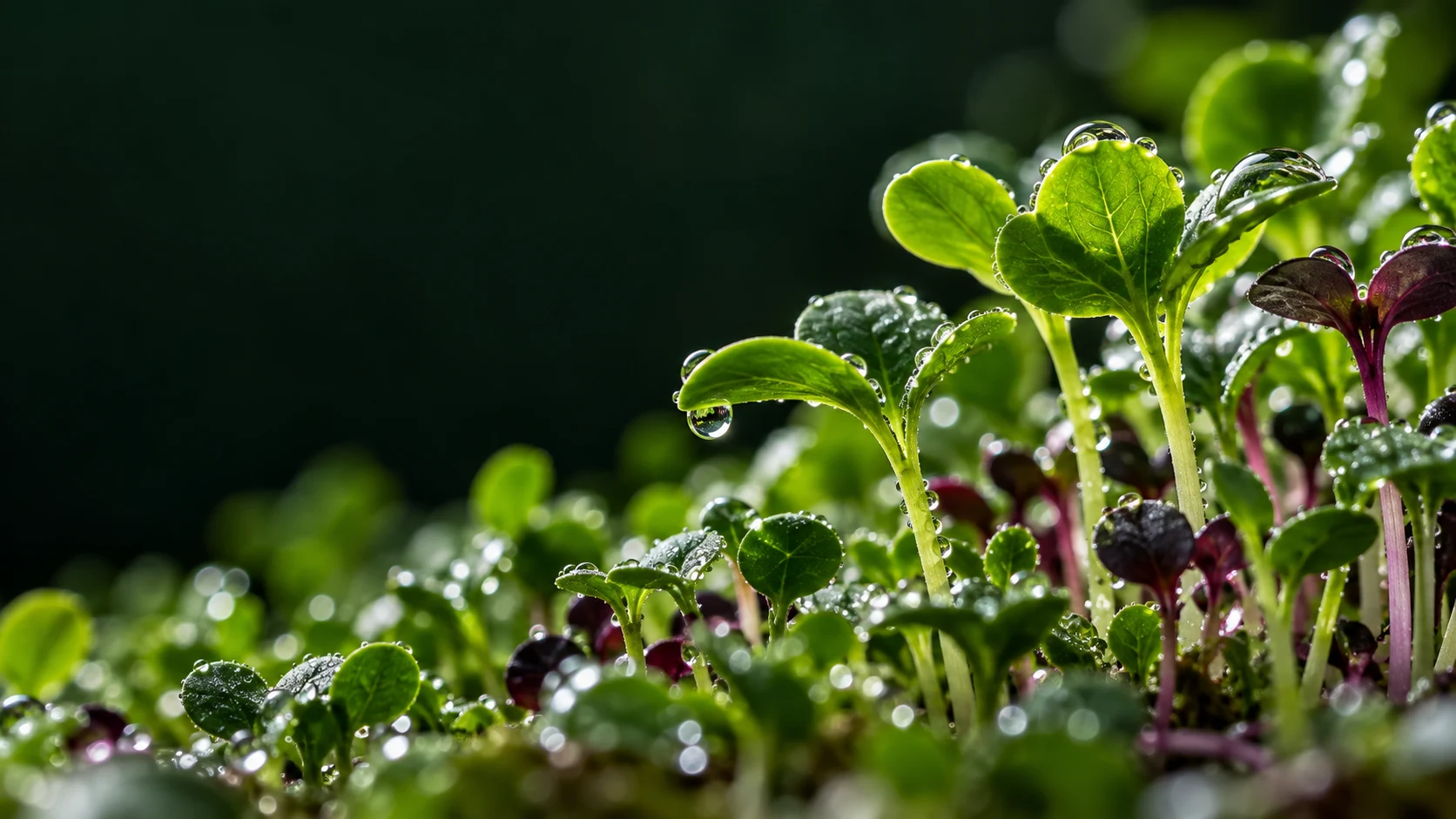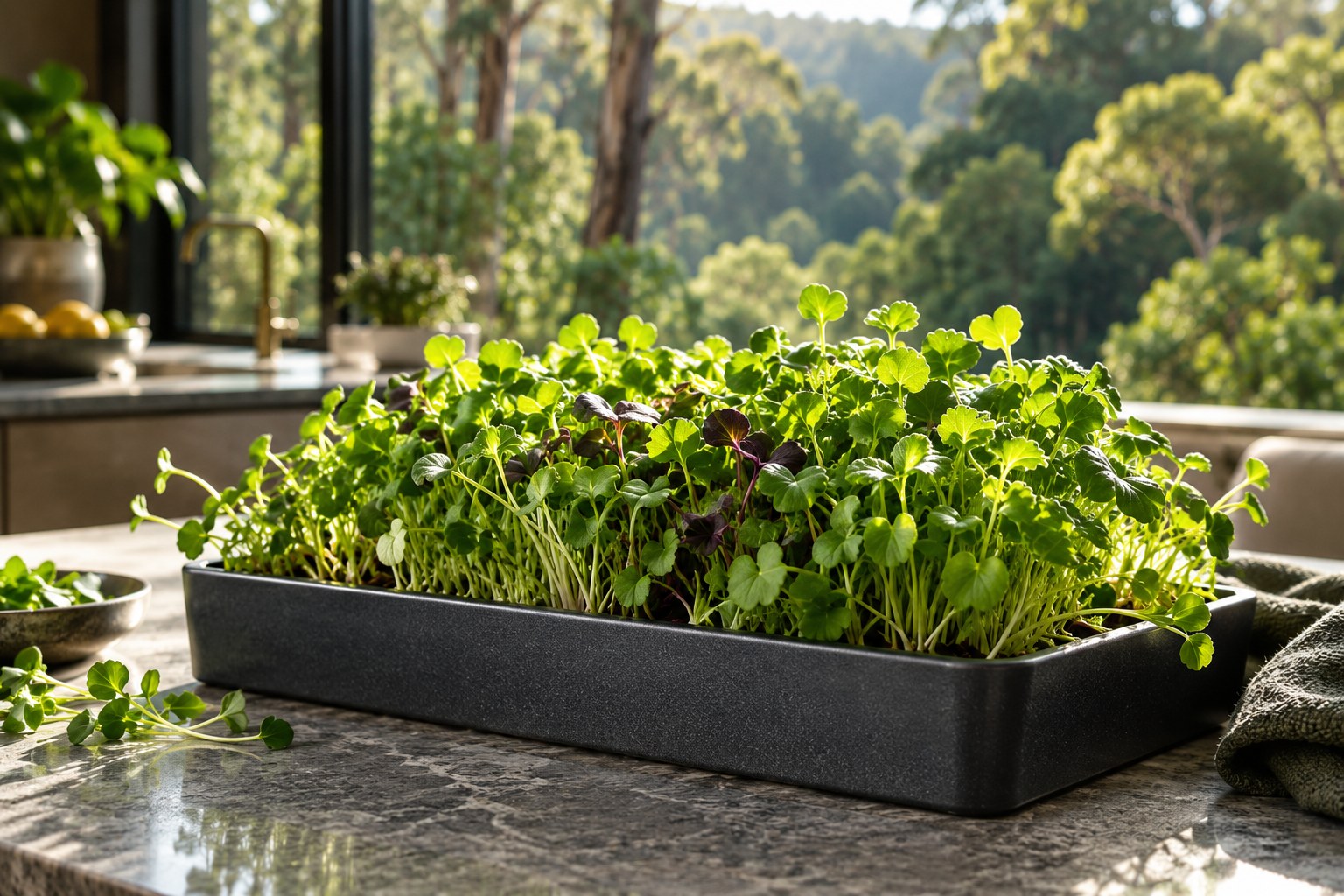
Choose one clearly identified edible crop, keep an adult responsible for handling and hygiene, and record the changes. Use the printable log below for sowing details and daily observations.
Use one tray to observe germination, leaf changes and the effect of daily care. An adult manages edible use, hygiene and tools; children can draw, measure and record changes.
Prepare the tray with an adult
Choose a stable place children can observe without climbing or reaching over a hot surface. An adult selects suitable seed and medium, checks labels and manages tools and cleaning products. Keep loose seeds and equipment away from very young children.
Agree that the tray is for observation unless an adult has approved food use. Children should not taste seeds, roots, growing medium or a questionable crop. Any tasting needs to account for age, allergies and individual food-safety needs.
Questions children can investigate
| Stage | Question | What to record |
|---|---|---|
| Before sowing | Do all seeds look alike? | A drawing and the variety name |
| First emergence | Where did the first shoots appear? | Date and location in the tray |
| Leaf development | How has the shape changed? | Drawing or photo from the same position |
| Daily care | Is the medium different today? | An adult’s moisture check and any action |
| End of project | What would we repeat? | One observation and one new question |
Compare one growing condition
For older children, compare one variable in two labelled trays, such as two suitable growing positions. Keep the variety, seed amount, medium and sowing date the same. Discuss what else might differ before calling the result proof.
A single pair of trays is a learning activity, not a scientific finding about every home. Unexpected results are useful: ask whether light, water or handling differed and design a better comparison next time.
Your crop log
One page for your sowing details, daily observations and the harvest. Print it before starting, then keep it with the seed label.
Open printable crop log